Estoria Laketown
FAQs & Resources
Your Questions Answered
Curious about cooperative living? For more than 40 years, adults age 62 and better have chosen the cooperative lifestyle for its unique blend of independence, financial value, security, and community. Explore answers to some of the most frequently asked questions about 62+ cooperative living.
Housing cooperatives for adults age 62 and better offer the benefits of homeownership without the burden of home maintenance, repairs, and upkeep. As a cooperative member-owner, you have an ownership interest in the community and a voice in decisions that help shape daily life. Cooperative senior living provides financial value, long-term security, and a strong sense of community, while creating opportunities to build meaningful connections with neighbors. More than just a place to live, a senior housing cooperative is an active, supportive community where members share experiences, support one another, and enjoy a fulfilling, maintenance-free lifestyle.
A senior housing cooperative is guided by the consent, cooperation, and active participation of its member-owners. Cooperative members democratically elect a board of directors to help govern community policies and may form committees based on the needs, interests, and preferences of the community. Each member-owner brings unique skills, experience, and perspective, helping create a welcoming and engaged cooperative lifestyle. By working together, members build a vibrant senior living community rooted in connection, shared responsibility, and a sense of belonging that feels more like family than a traditional neighborhood
In a senior housing cooperative, each member-owner pays a monthly fee that covers their pro-rata share of the master mortgage, property taxes, required reserves, and community operating costs. These costs may include insurance, utilities, building maintenance, repairs, and professional management services that support day-to-day operations. Cooperative members also benefit from shared expenses, bulk-rate purchasing, and the financial advantages of the cooperative’s not-for-profit structure, helping create long-term value and predictable housing costs.
Each member-owner pays a monthly fee that covers their pro-rata share of the community’s master mortgage, property taxes, required reserves, and day-to-day operating costs. These expenses may include insurance, utilities, building maintenance, repairs, and professional management services. By sharing costs across the cooperative community, member-owners may benefit from bulk-rate purchasing, not-for-profit operations, and a more predictable approach to long-term housing expenses.
A monthly fee in a senior housing cooperative is different from rent or a traditional homeowners association fee because it includes more services, shared expenses, and potential financial benefits. Cooperative member-owners may be eligible for tax deductions, and the monthly fee typically covers far more than a standard association fee. In addition to exterior and interior maintenance, cooperative fees may include replacement of standard appliances and equipment within the home. Unlike a single-family home, condominium, or townhome, a senior housing cooperative monthly fee also includes a pro-rata share of the master mortgage and property taxes, along with services such as internet, TV, utilities, maintenance, and other community operating costs
Estoria Cooperative requires that at least one member-owner of each home be age 62 or better. A potential member must also show they have the resources to purchase a membership share. The application process has a minimum income requirement to help ensure potential members qualify for membership. To ensure the safety and security of all members, credit and background checks are also required.
There are several ways to finance the purchase of a senior housing cooperative share. Many buyers use proceeds from the sale of their current home, while others may choose to use available funds from savings or investments. Some buyers also use a short-term home equity loan to purchase their cooperative share while their current home is being sold. Because the initial share cost in a cooperative is often lower than purchasing a single-family home, condominium, or townhome, remaining equity from a home sale may be used for home upgrades during the development phase or invested to help offset monthly cooperative fees and support long-term financial flexibility. .
Share values and share prices appreciate over time using the limited equity formula set forth in the cooperative’s bylaws, which limits appreciation to 2.75% of the share value compounded annually.
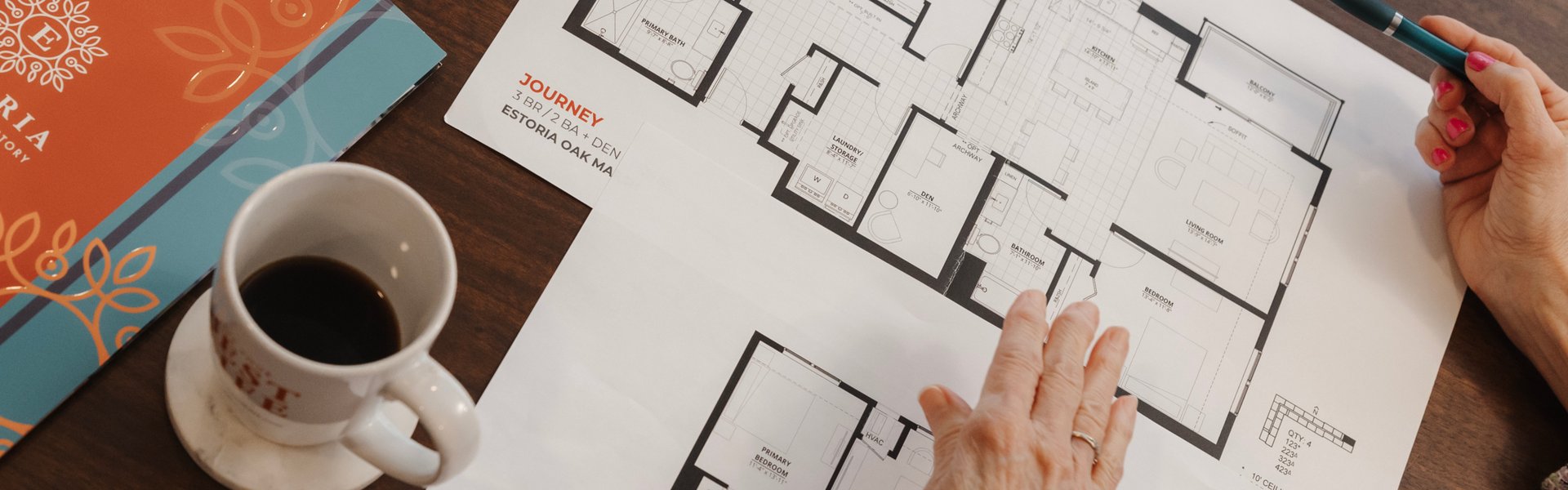
Prior to construction deadlines, a buyer can make personal design selections and choose from a variety of available standard or upgrade options for their home amenities. Share prices include standard home amenities, and upgrade options are at an additional cost. A housing specialist works closely with member-owners to help them personalize their home and make it their own.
Resources & Helpful Links
Interested in learning more? Click below to learn all about the cooperative lifestyle at Estoria Laketown.
Interested In Learning More?
Be one of the first to learn about this new, innovative cooperative community. Register here to join our interest list at Estoria Cooperative Laketown in Victoria, MN.